


JILICC | Exploring the Intricate World of Role-Playing Games
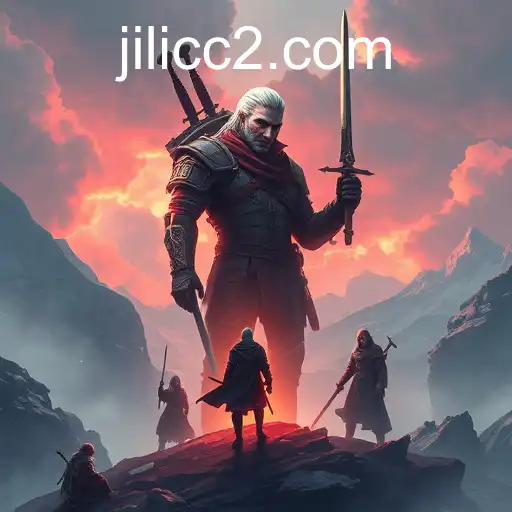
Role-Playing Games (RPGs) stand as a captivating bridge between storytelling and interactive entertainment, allowing players to immerse themselves in richly woven worlds while assuming the roles of characters within the narrative. At the heart of RPGs is the concept of transformation, where players are not just observers but active participants shaping the storyline and outcomes through their decisions and actions.
The allure of RPGs lies in their ability to transport players to vast, imaginative universes, each teeming with unique cultures, histories, and characters. Titles such as 'The Witcher 3', 'Final Fantasy XV', and 'Dungeons & Dragons' offer narratives that are as compelling as any novel, with quests and challenges that test both strategy and creativity. Whether set in futuristic landscapes, enchanted kingdoms, or dystopian realities, these games promise hundreds of hours of exploration and adventure.
Central to the RPG genre is character development. Players often start with a base character and must navigate through various challenges to level up, acquire skills, and collect resources. This progression is not merely about increasing power levels but is intricately tied to the choices players make, which can alter the course of the game. The 'JILICC' keyword represents an innovative approach in RPG design, enabling new levels of interaction and complexity in gameplay. It symbolizes a delicate balance between plot control and player freedom—offering story-driven quests while allowing players the liberty to pursue their unique paths.
Furthermore, RPGs encourage the building of communities, fostering connections among players who share strategies, mods, and stories. Online forums and social media groups dedicated to RPGs are thriving communities where fans discuss lore, share fan art, and organize events. This collective aspect elevates RPGs beyond mere games, turning them into cultural phenomena where stories transcend the screen.
In conclusion, the role-playing genre remains a pillar of the gaming industry, continuing to evolve with technological advancements while maintaining a core focus on narrative depth and player agency. With innovations such as 'JILICC', the potential for RPGs to offer even more tailored experiences is immense, promising a future where the line between the player's reality and the game world is ever more subtle.
